
Buying, Drying, and Burning Firewood the Right Way
Getting the most out of firewood comes down to a few simple things: when you buy it, how you store it, and how dry it is when you burn it. A little planning goes a long way toward better heat, cleaner burns, and less frustration during the winter.
Whenever possible, buying firewood ahead of when you plan to burn it is one of the best decisions you can make. Firewood takes time to dry properly, and wood that is given enough time almost always performs better than wood that is rushed. Customers who plan ahead tend to have fewer issues and a much smoother heating season.
If you have the space, buying green or less-dry firewood a year or more in advance can offer the best value. When wood is cut, split, and then allowed to dry naturally over time, it can reach very low moisture levels. This results in cleaner burns, better heat output, and less buildup in your stove or chimney.
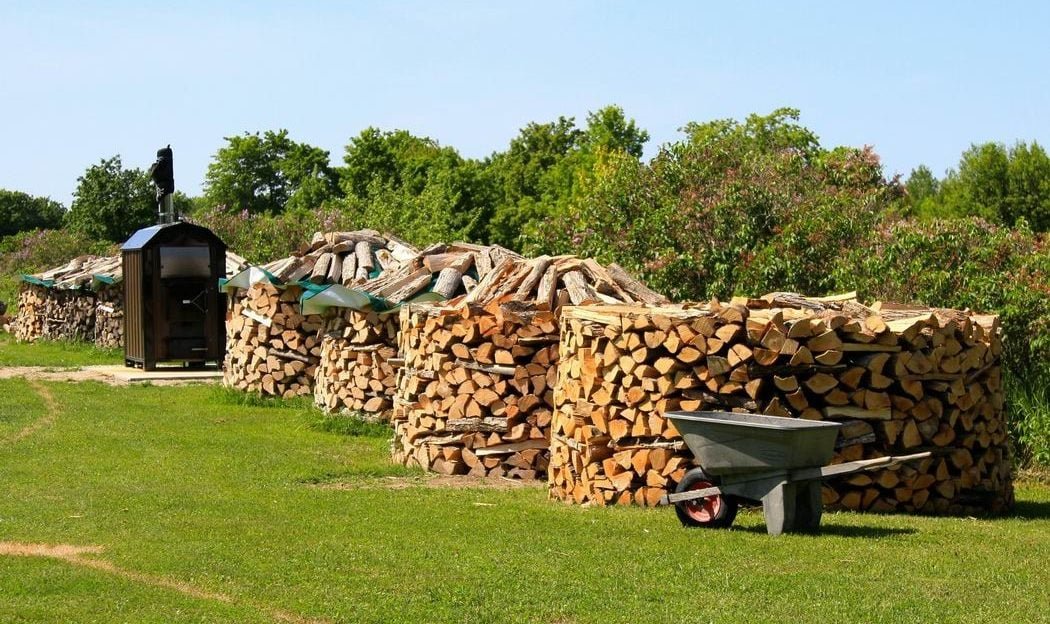
Drying firewood properly depends heavily on how it is stored. Firewood should be stacked off the ground to prevent moisture from being absorbed from the soil. Stacking loosely with space between rows allows air to move through the pile, which helps moisture escape. Covering only the top of the stack keeps rain and snow off while still allowing the sides to breathe. Sun and wind are your best tools for drying firewood.
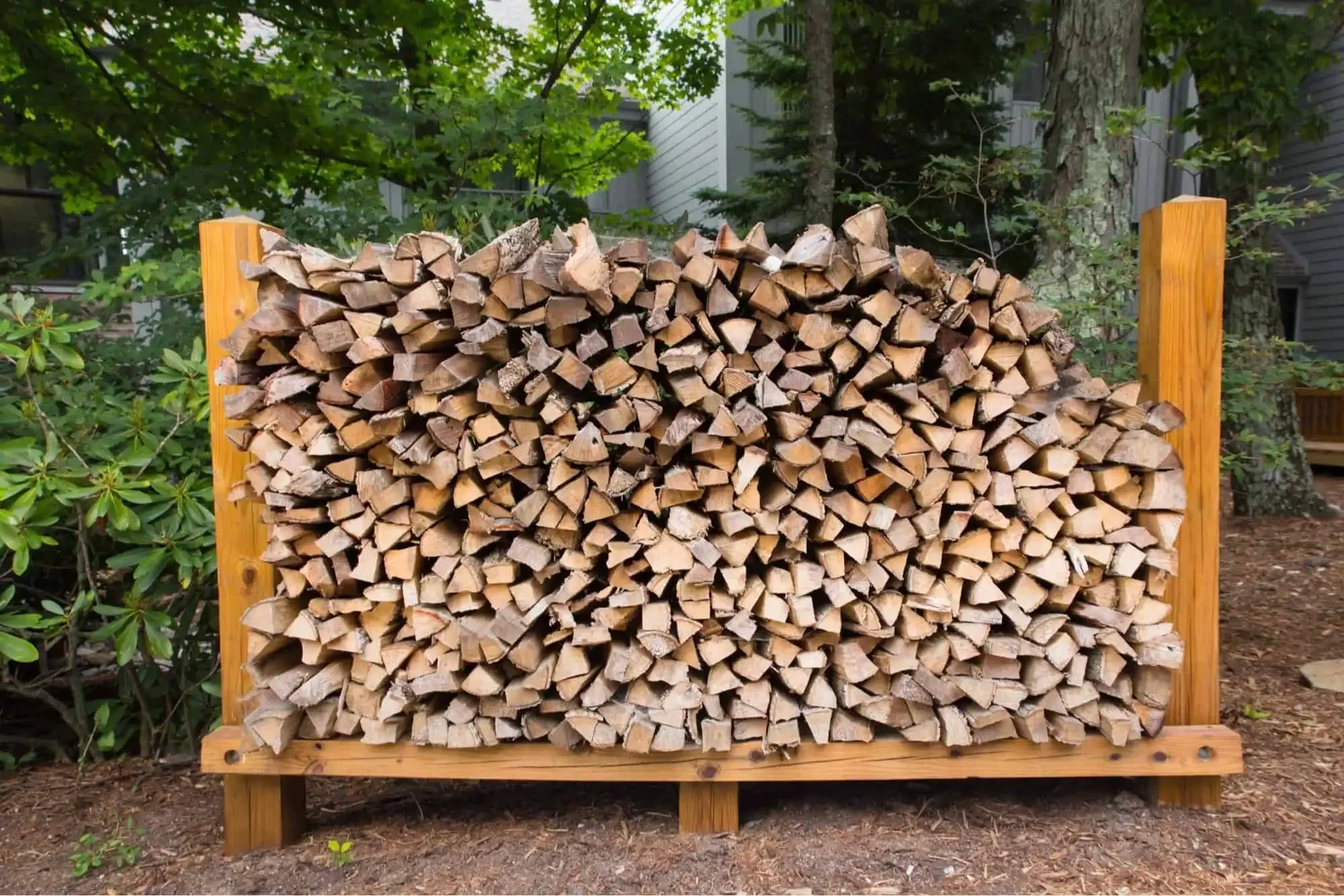
It is important to understand that wood dries from the outside in, and drying happens much faster after wood is split. Even wood that looks dry on the outside can still hold moisture internally, especially in larger or denser pieces. Giving firewood enough time after splitting is key to good performance.
If you receive firewood that is wetter than expected, proper stacking and airflow can make a big difference. Often, seasoned firewood simply needs more time exposed to air. Restacking the wood loosely and allowing a few weeks or months of additional drying can noticeably improve how it burns.
When it comes time to burn, dry firewood is the biggest factor in performance. Dry wood lights easier, burns hotter, and produces less smoke. Wet wood wastes energy boiling off moisture instead of producing heat and can lead to smoky fires and creosote buildup.
A good practice is to bring firewood indoors a day or two before burning. This allows surface moisture to evaporate and helps the wood ignite more easily. Mixing smaller dry splits with larger pieces can also help maintain a steady, efficient fire.
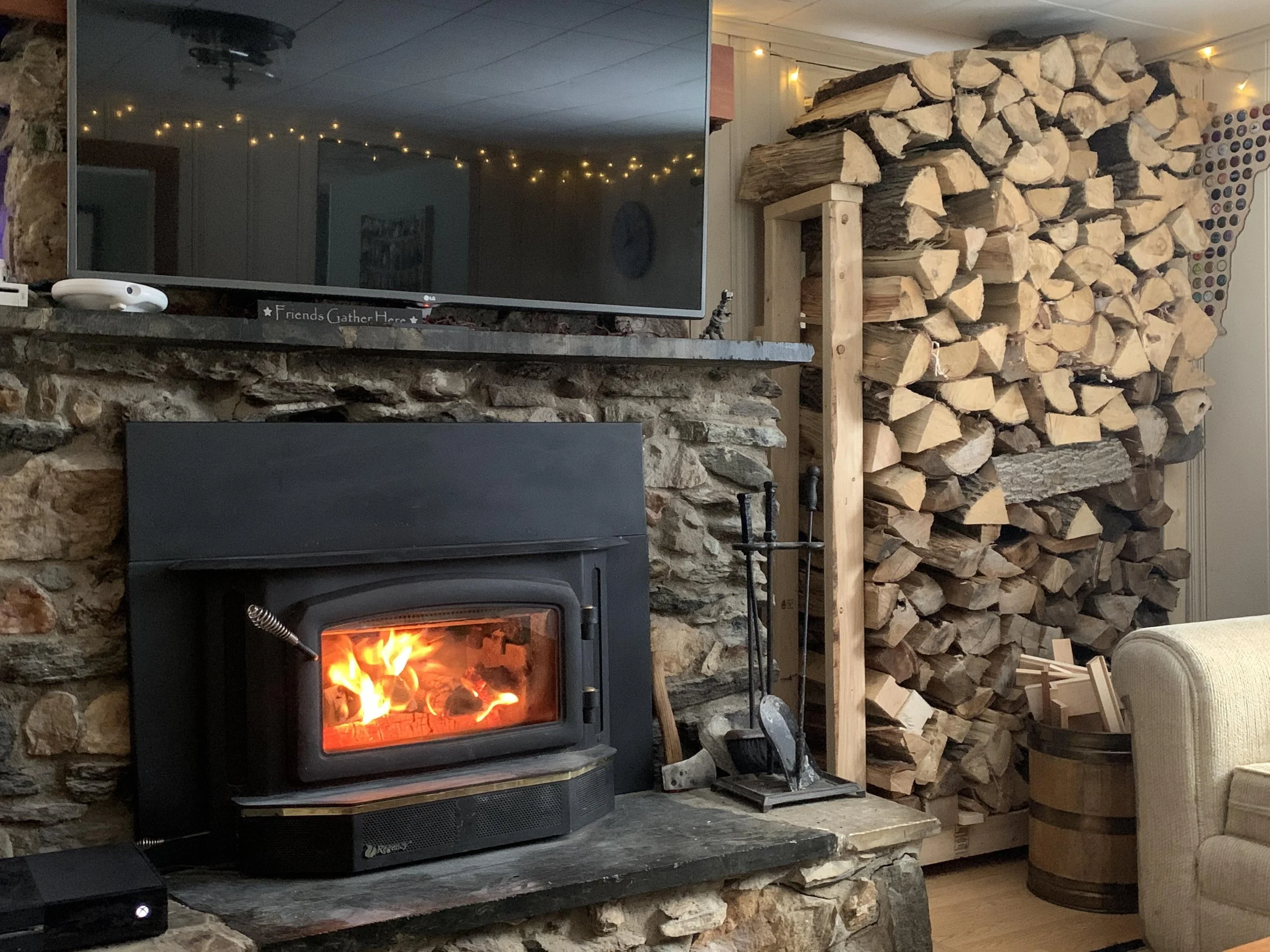
For those who want immediate, consistent performance without waiting, kiln-dried firewood is the best option. Kiln drying removes moisture more thoroughly and evenly, making the wood ready to burn right away.
Many experienced wood burners find that keeping about one to one and a half years’ worth of firewood on hand works well if space allows. This provides flexibility during colder winters and reduces the pressure to buy during peak demand. If a winter is mild, having extra wood often means ordering less the following season.
There is no single right approach for everyone, but planning ahead, storing firewood properly, and understanding how moisture affects performance will always lead to better results. Firewood is a natural product, and patience is often rewarded with better heat and a more enjoyable burning experience.