
How We Produce our Green, Seasoned, and Kiln-Dried Firewood
The quality of firewood starts long before it is cut and split. A big part of consistency comes from how logs are sourced, handled, and stored before they ever become firewood. That is why we purchase and season our logs in house rather than relying on pre-processed material.
Logs are sourced locally whenever possible. This includes yard trees, tree removal projects, and logs purchased from forest thinning operations. Sourcing logs this way allows us to control quality from the beginning while also making use of material that would otherwise go to waste. All logs are inspected and sorted by species and condition so unsuitable material never makes it into firewood production.
Once logs arrive at the yard, they are stored whole and allowed to season naturally. Storing logs whole slows down rot, keeps the wood cleaner, and preserves usable material better than storing split firewood long term. Logs are rotated and aged before processing so older material is always used first.
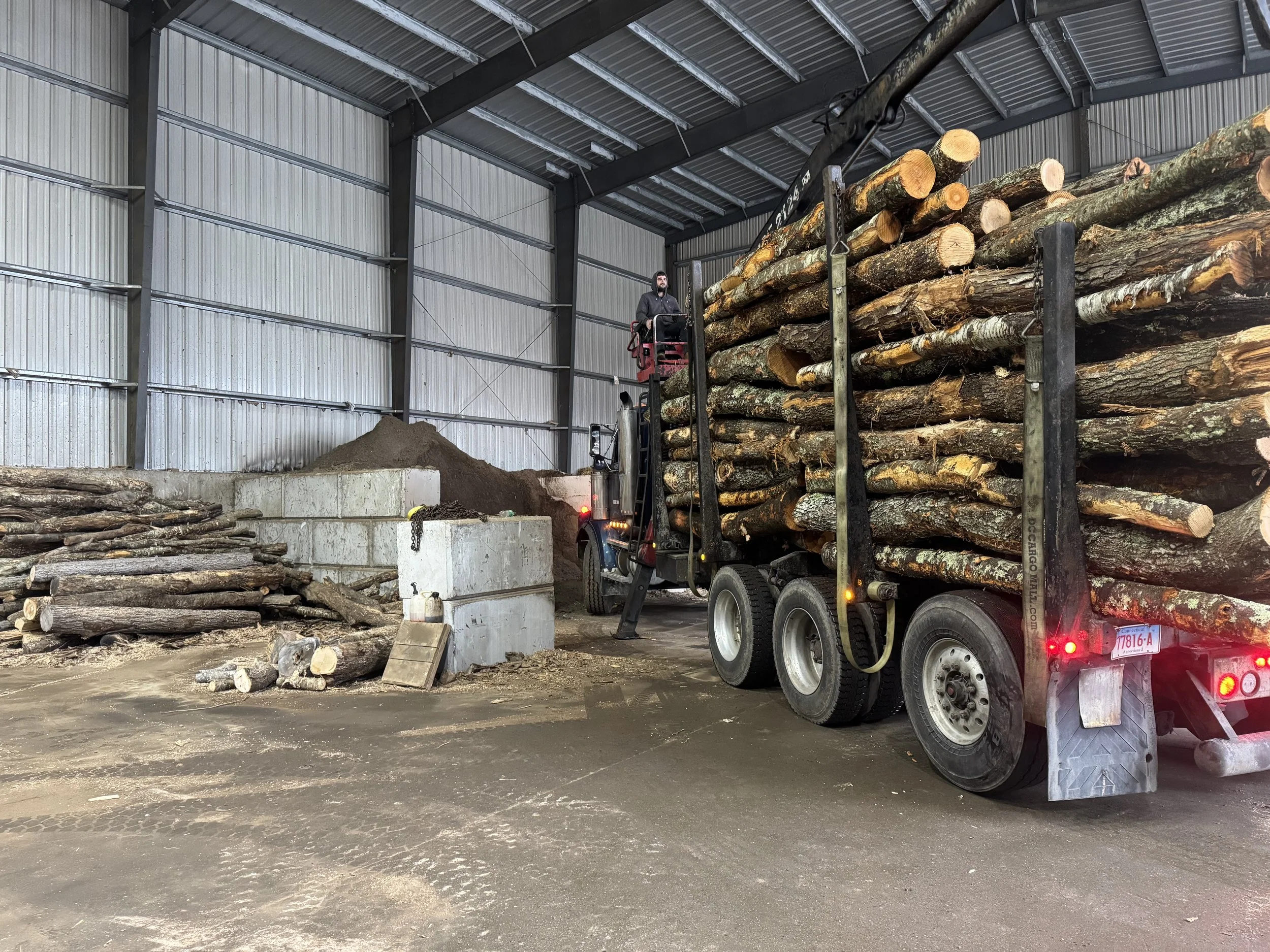
Logs being unloaded from the truck and into our warehouse
Most of the logs used for our seasoned firewood are aged approximately eighteen to twenty-four months before they are split. Allowing logs to age first reduces moisture gradually and helps stabilize the wood before it enters its final drying phase. This approach takes more time and space, but it results in cleaner, more consistent firewood.
Our seasoned firewood is produced from logs that have been aged first and then split to order, typically one to four weeks before delivery. Splitting closer to delivery helps maintain cleaner inventory and reduces degradation. Because final drying happens after splitting, moisture content can vary depending on species, split size, weather conditions, and how the firewood is stored after delivery. Seasoned firewood refers to naturally aged wood, not guaranteed dryness, and additional drying time may be required for best performance.
Green firewood is produced from freshly cut and split logs that have not yet had time to dry. This wood still contains a high amount of moisture and is intended for customers who are planning well ahead. Green firewood offers the best value for customers who have storage space and time to allow the wood to dry naturally before burning. When properly stacked and given enough time, green firewood can dry down to excellent burning quality.
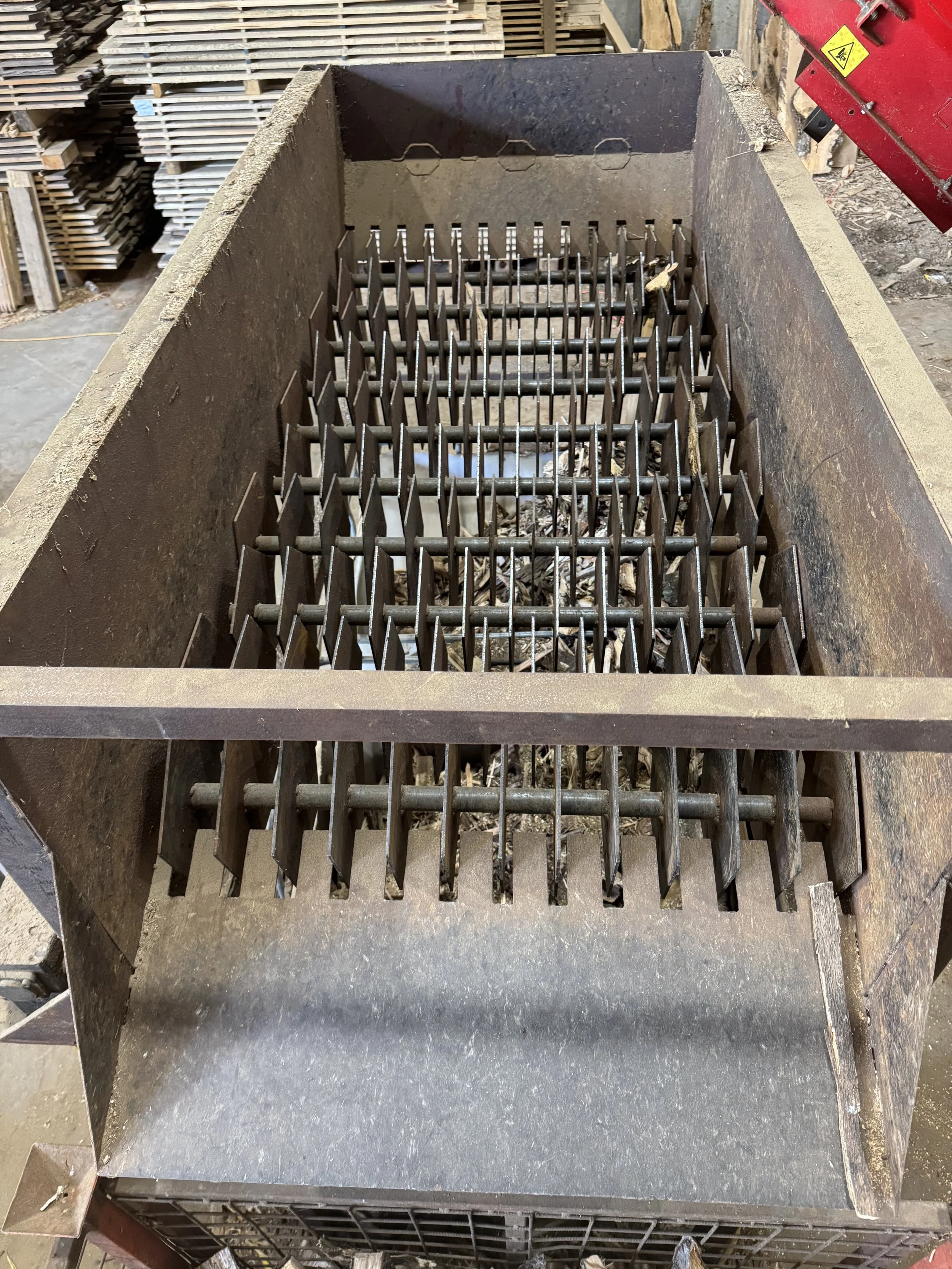
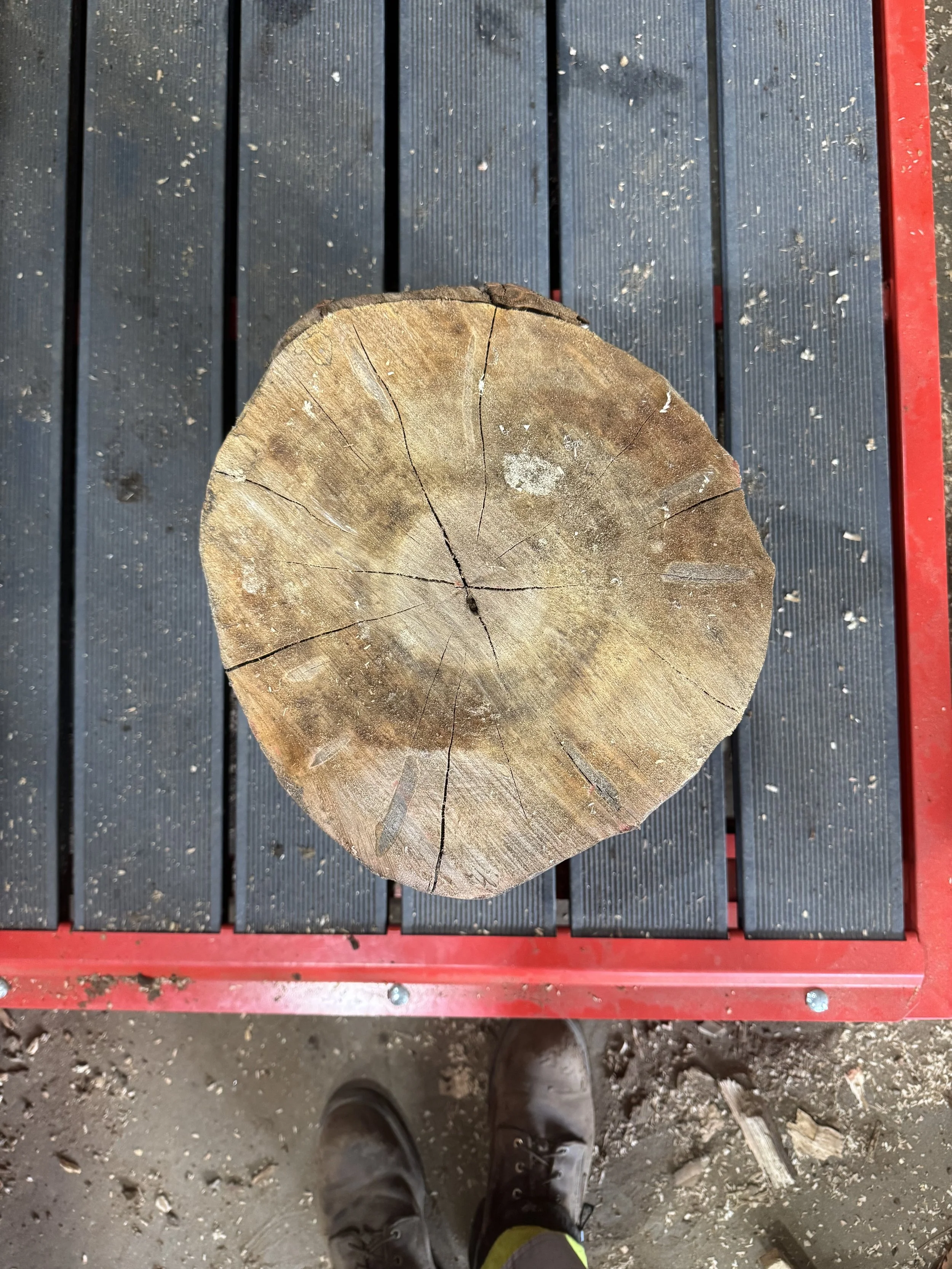
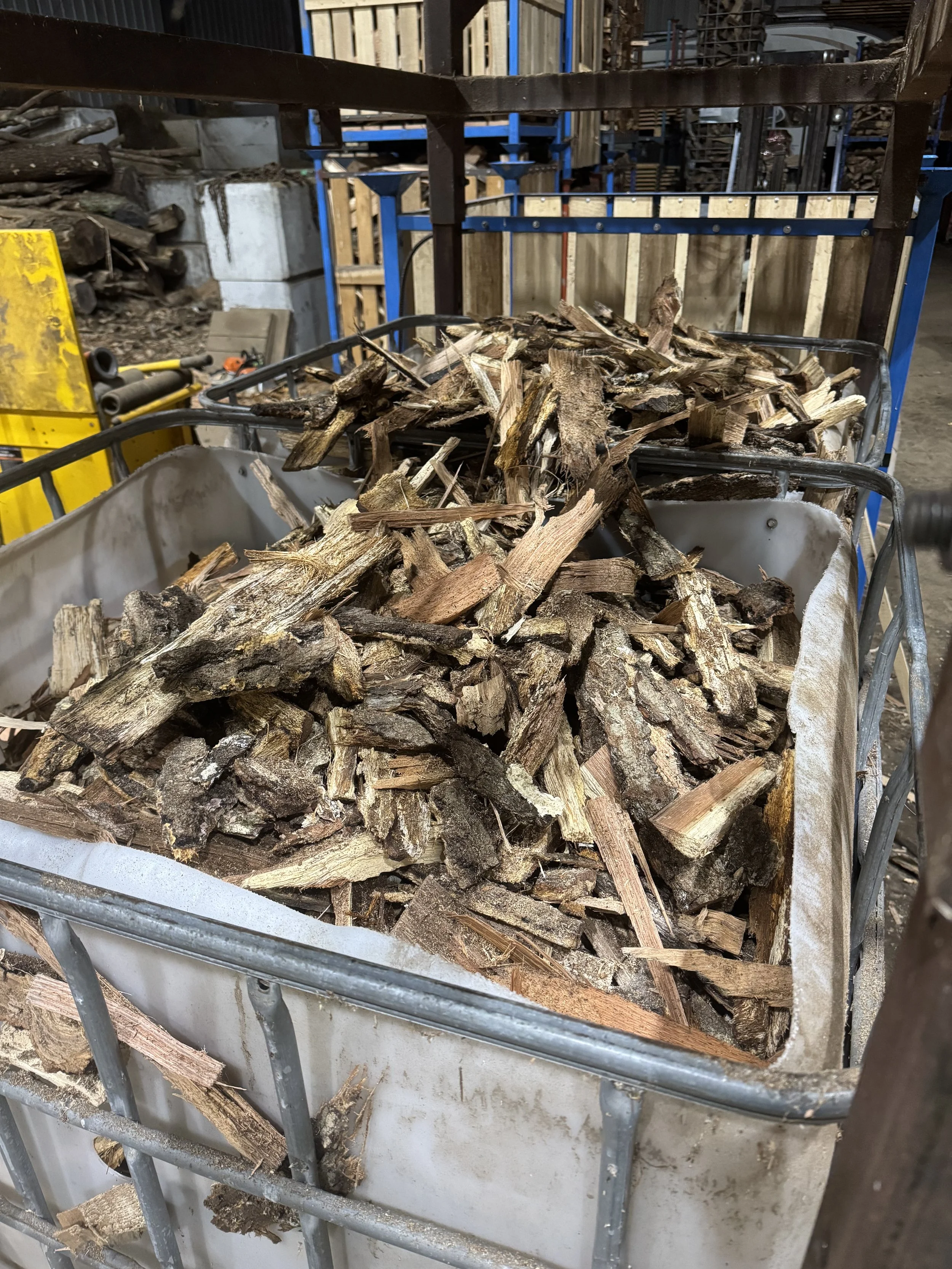
All firewood is processed through a firewood processor to ensure consistent length and splitting. After processing, the firewood is tumbled to help knock off loose bark, debris, and smaller slivers. This extra step helps deliver cleaner firewood and improves handling, stacking, and overall burn quality.
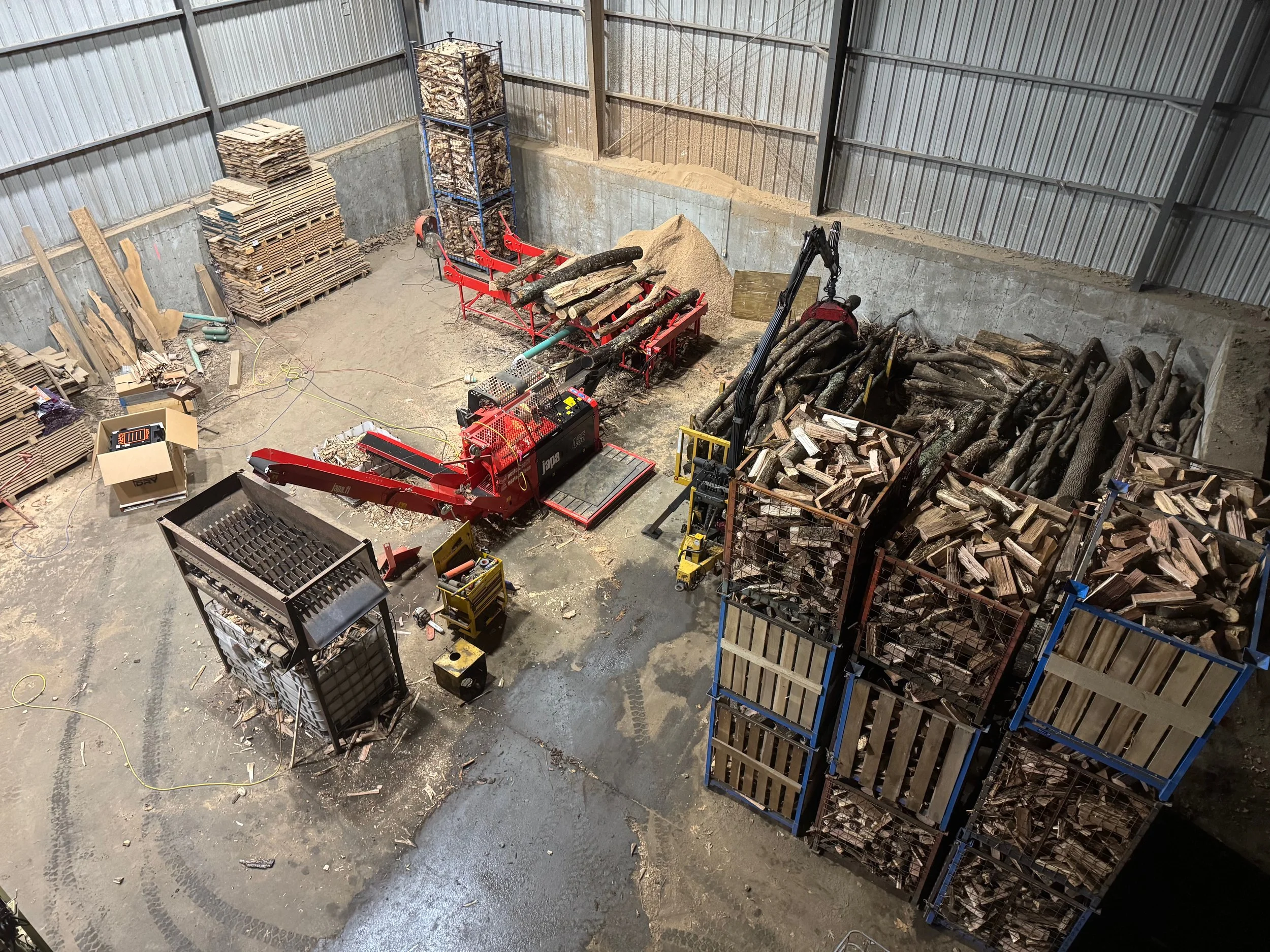
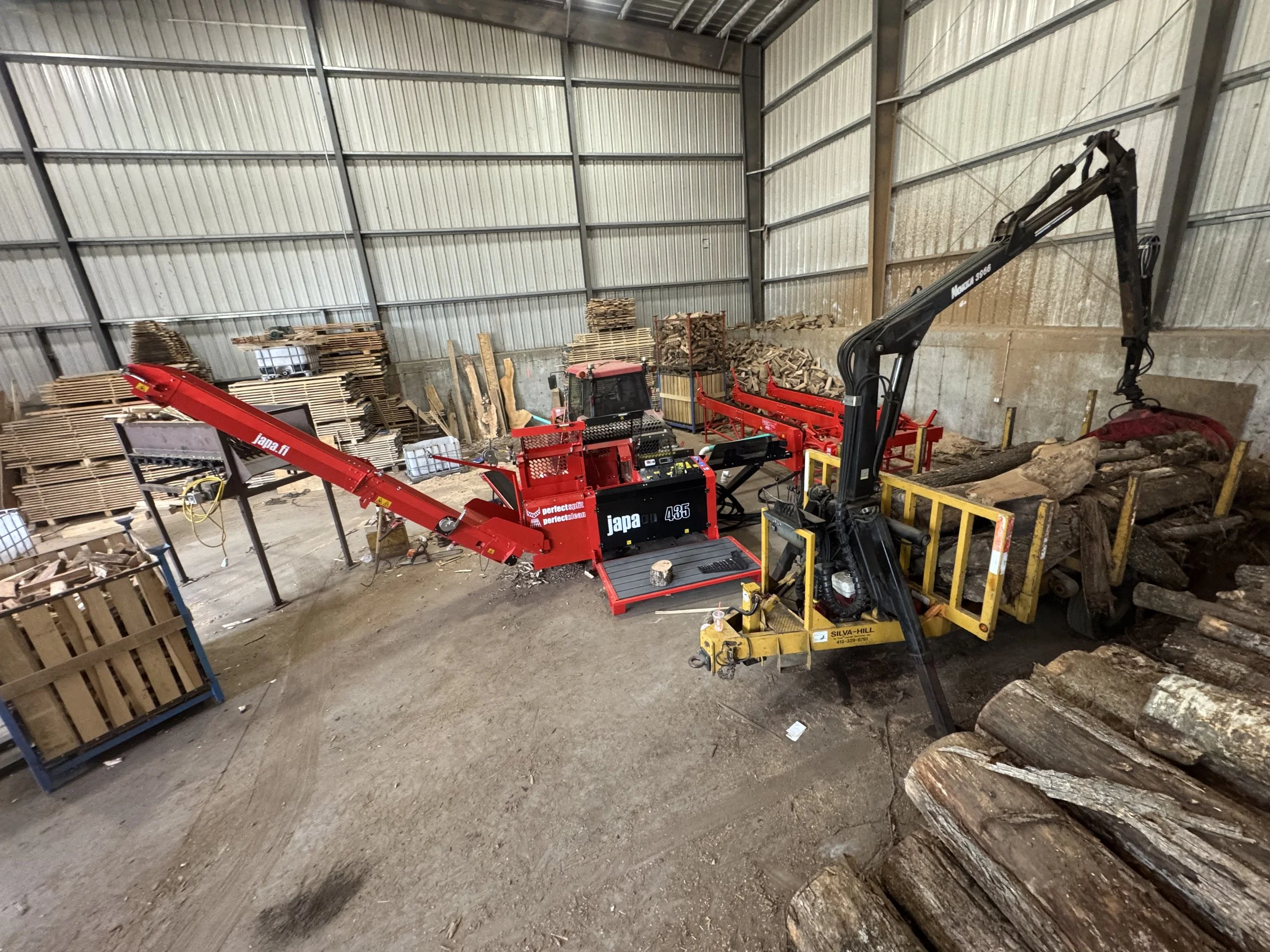
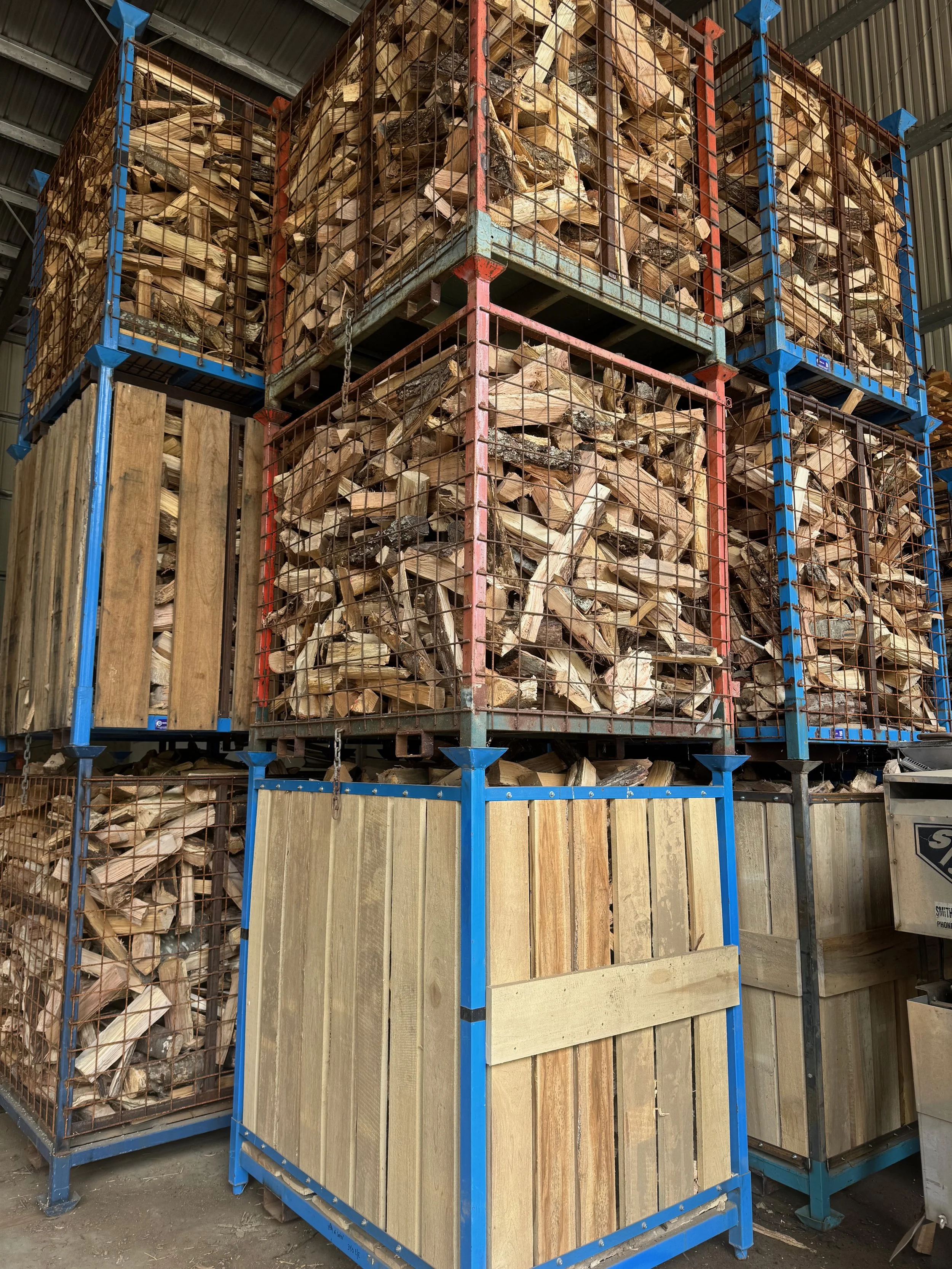
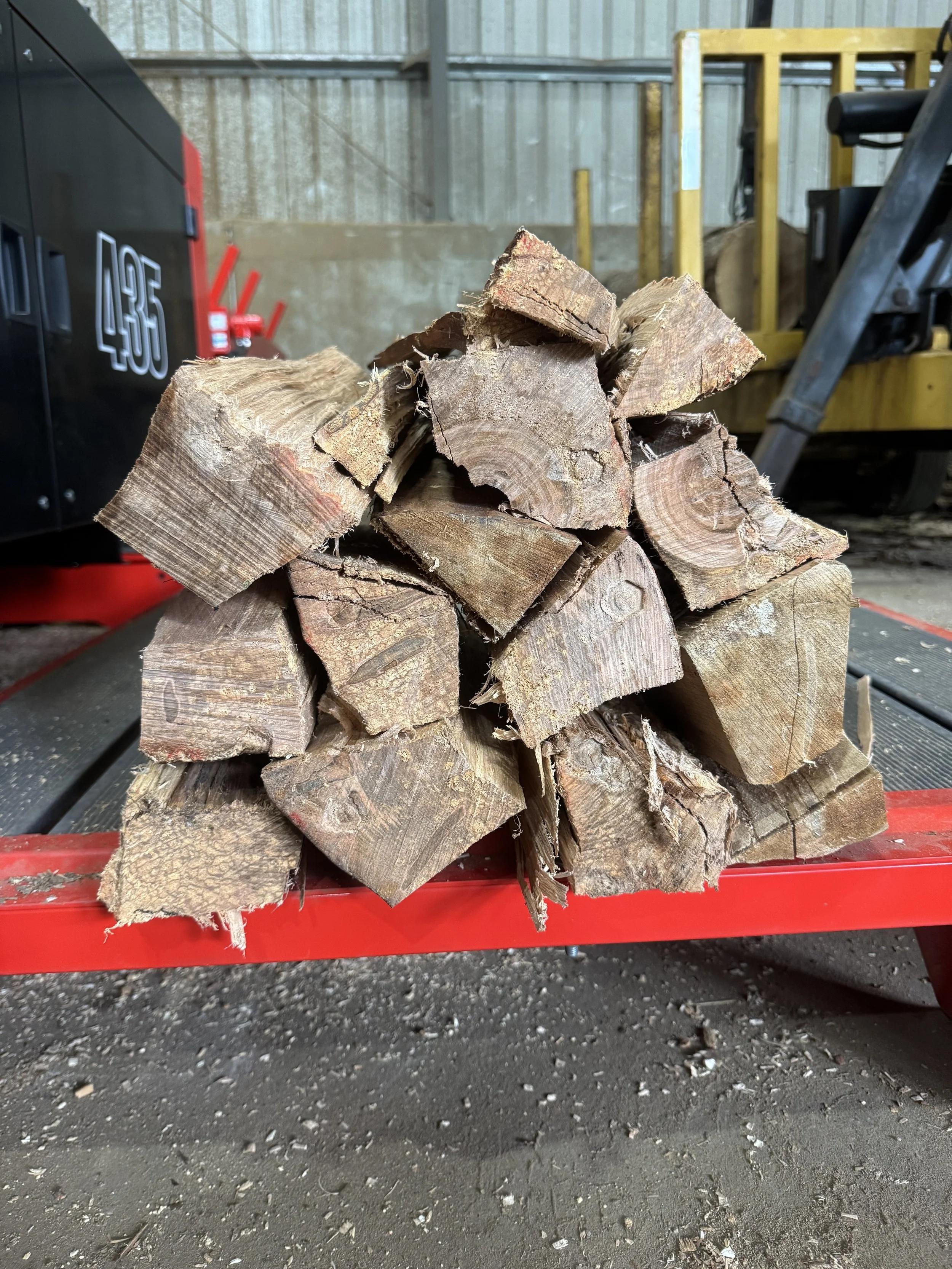
Kiln-dried firewood is processed differently. After the wood is split and cleaned, it is placed into a controlled kiln where heat, airflow, and time are carefully managed. Kiln drying removes moisture evenly throughout the wood, including moisture that air drying alone cannot fully remove. The heat used in the kiln also eliminates insects and insect larvae, resulting in clean, bug-free firewood that is ready for immediate use.
From a technical standpoint, wood holds moisture in two ways: free water and bound water. Free water exists in the open spaces of the wood and is removed first through air drying. Bound water is held within the cell walls of the wood itself and leaves much more slowly. Kiln drying is effective at removing both free water and bound water, which is why kiln-dried firewood performs so consistently.
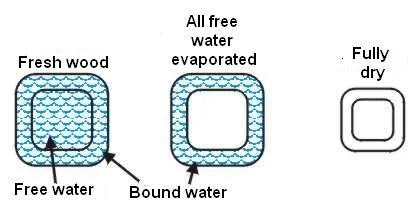
Dry firewood lights easier, burns hotter, produces less smoke, and creates less creosote buildup. For most wood stoves, firewood performs best when moisture content is below twenty percent when measured on a freshly split face. Kiln-dried firewood reaches this range before it ever leaves the yard, while seasoned firewood may continue drying after delivery depending on conditions.
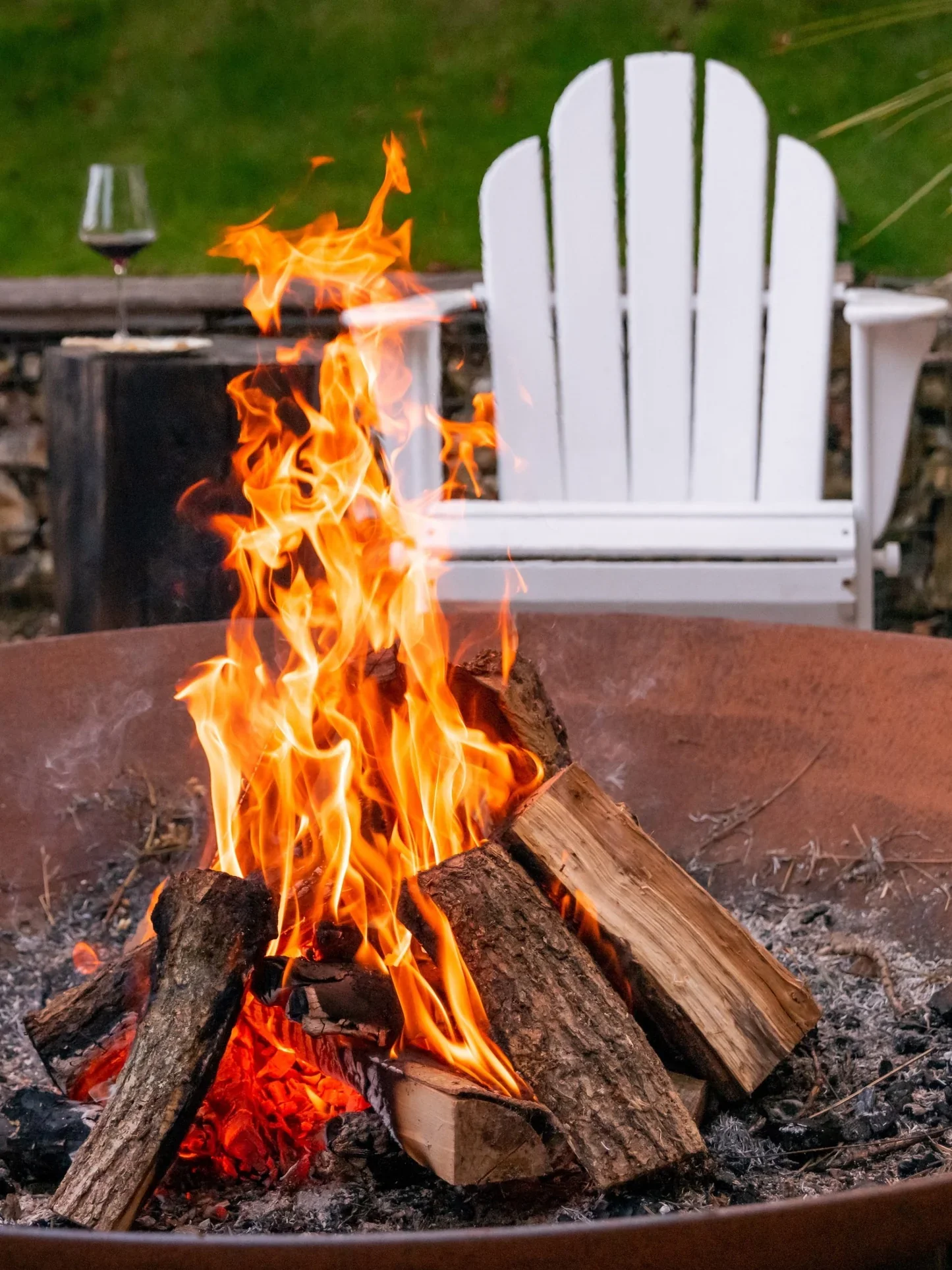
Kiln dried firewood provides an easy light and consistent hot burn
Each type of firewood serves a different purpose. Green firewood is best for customers who plan well ahead. Seasoned firewood works well for many customers with proper storage and some flexibility. Kiln-dried firewood is ideal for customers who want immediate use and consistent performance without waiting.
Customers who have the space often find that keeping one to one and a half years’ worth of firewood on hand provides the most flexibility. It offers a buffer during colder winters and can reduce how much needs to be ordered the following season if winter temperatures are mild.
No matter which type of firewood you choose, proper storage plays a big role in performance. Firewood should be stacked off the ground, with good airflow, and covered on the top only. Giving wood time whenever possible leads to better burns and a more enjoyable heating season.
If you ever have questions about which option makes the most sense for your setup, we are always happy to help explain the differences.